The fourth quarter "Pioneer Housing Construction・Branch Roundtable Meeting" of the Building Materials Department Party Branch in 2025 was successfully held in the second-floor conference room of Qingdao Laoshan Pipeline Technology Co., Ltd.imageThis meeting was organized by the Party Branch of the Building Materials
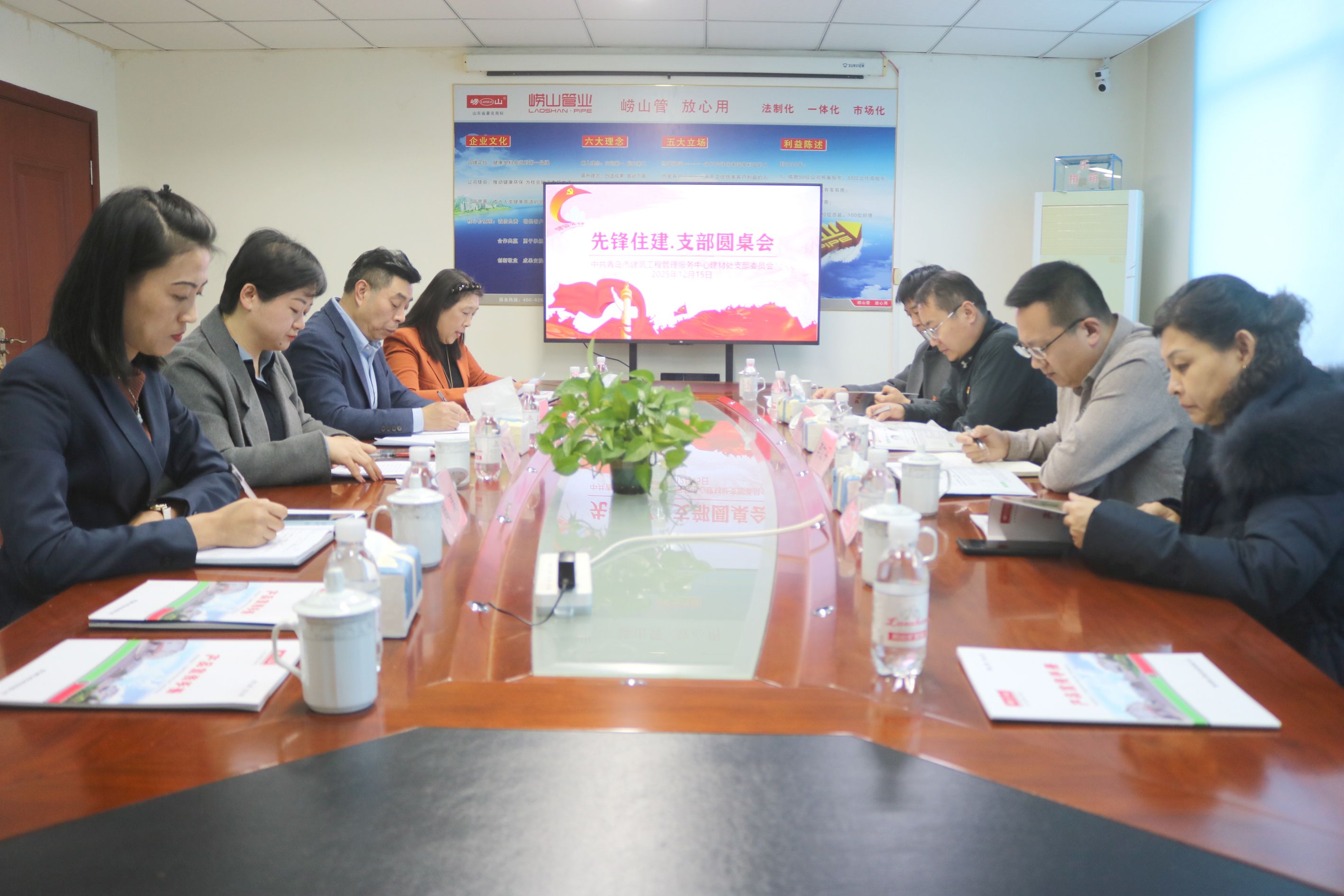
Department at the Qingdao Municipal Construction Engineering Management Service Center. Key leaders and staff from the Municipal Construction Management Center, representatives from relevant streets, and the head of Qingdao Laoshan Pipe Industry Technology Co., Ltd. gathered together. Guided by Party building, they engaged in in-depth discussions on core topics such as the supervision of the building materials industry, the optimization of the business environment, and the application of high-quality building materials, fostering consensus for development.imageAt the beginning of the meeting, the Party branch secretary of the Building Materials
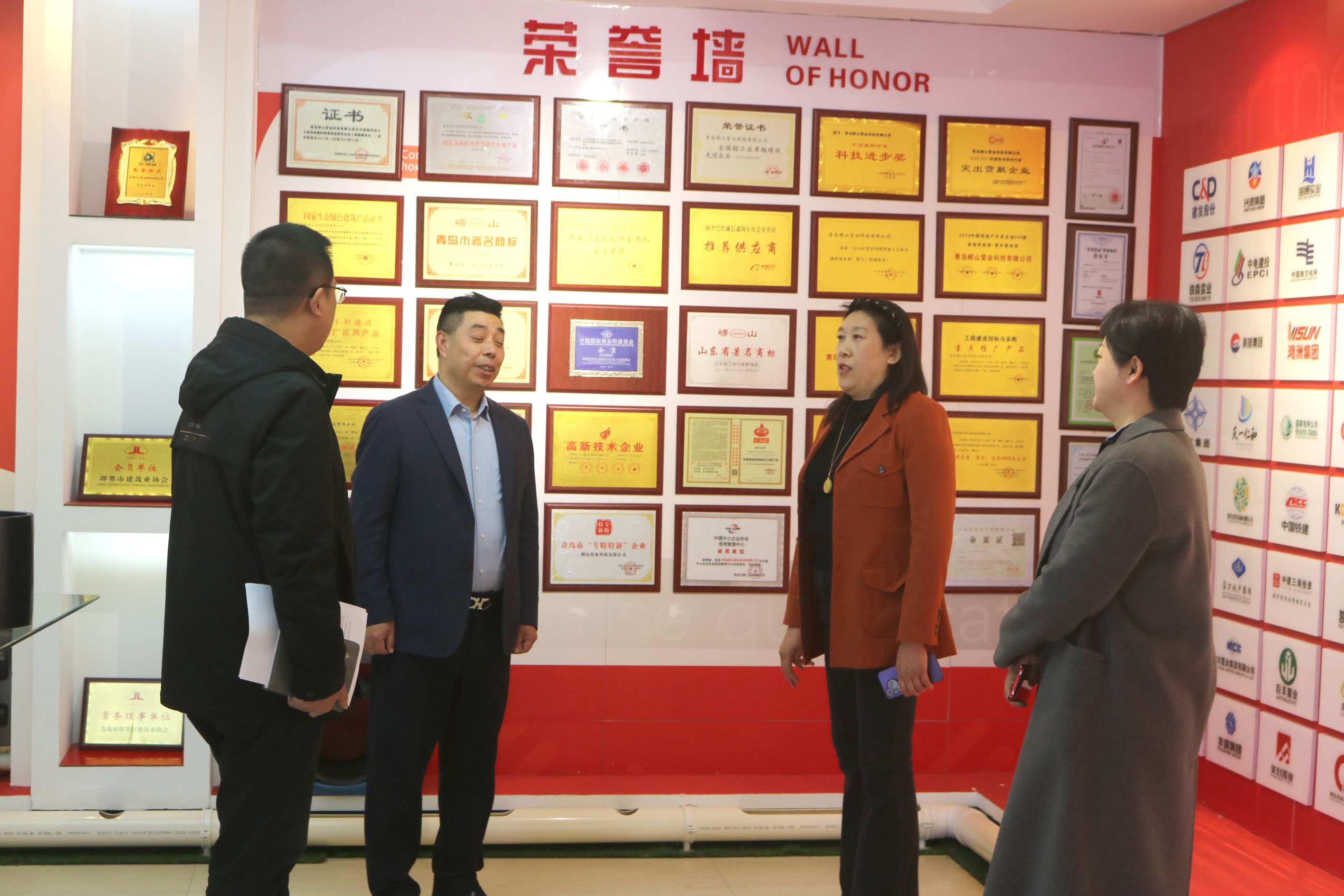
Department at the Qingdao Municipal Construction Engineering Management Service Center took the lead in studying the relevant explanations of the "Proposal of the Central Committee of the Communist Party of China on Formulating the 15th Five-Year Plan for National Economic and Social Development." He guided the participants in deeply understanding the guiding significance of the "15th Five-Year Plan" for the development of the building materials industry, clarifying the future direction and key tasks of the sector. Subsequently, the secretary briefly introduced the background and core objectives of the "Pioneer Housing Construction・Branch Roundtable Meeting," emphasizing that the meeting aimed to build a communication bridge between government and enterprises, as well as between enterprises and communities, to address development challenges through face-to-face exchanges and promote high-quality collaborative development between the building materials industry and urban construction.imageDuring the seminar and exchange session, representatives from various parties spoke freely and communicated candidly. Qingdao Laoshan Pipe Industry, a high-tech environmentally friendly enterprise with three decades of expertise in the plastic pipe sector, drew upon its production, R&D, and market experience to propose targeted issues and constructive suggestions.
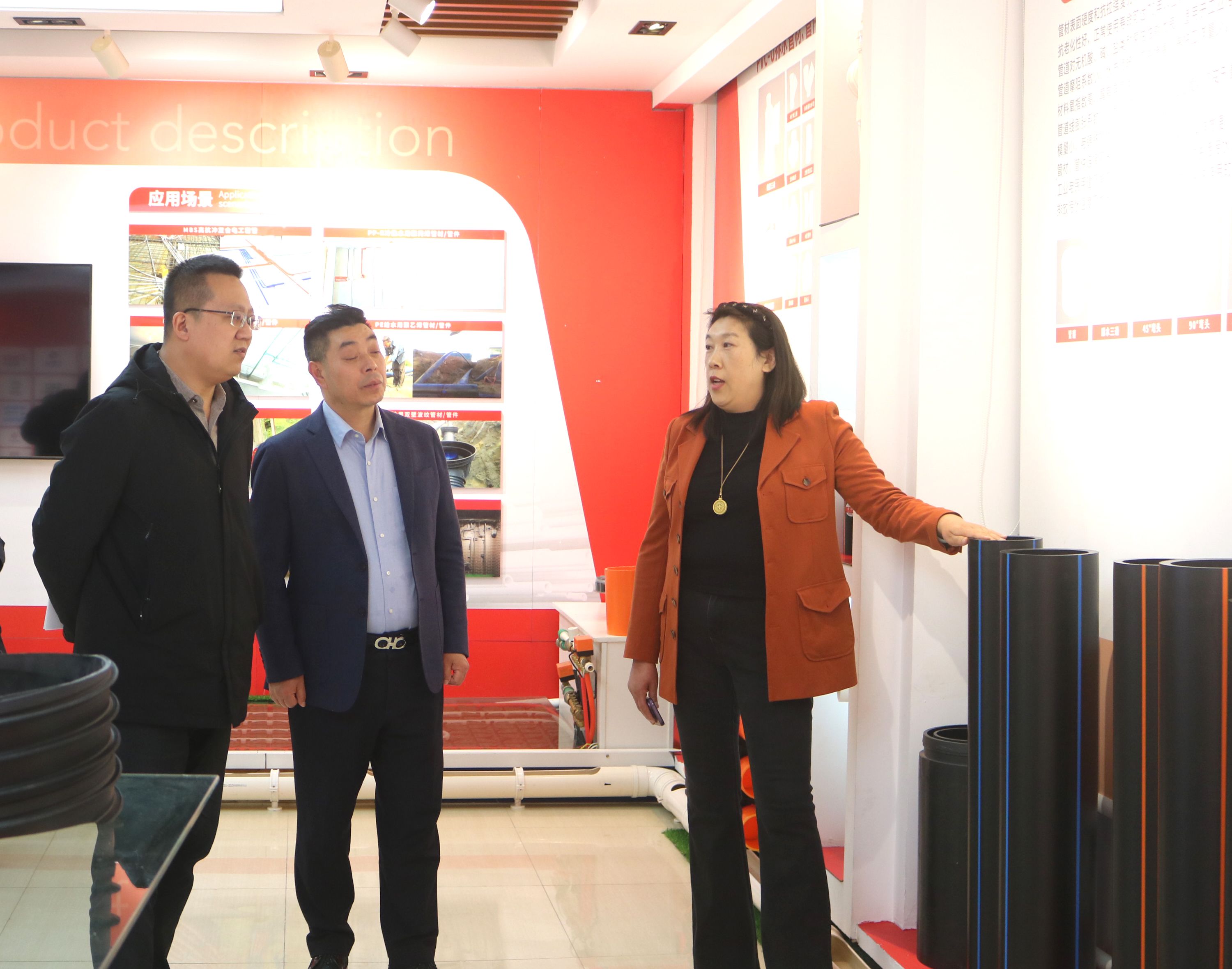
These focused on optimizing smart supervision of key building materials, improving inspection and sampling processes, and enhancing the business environment, providing practical references for policy formulation and operational improvements.imageThe representatives from the relevant streets shared innovative practices and successful experiences in grassroots Party building, exploring effective pathways for the deep integration of Party building with operational tasks. They provided new insights for the coordinated development of corporate Party building and grassroots governance. Additionally, the attendees held a thematic discussion on "How to Leverage High-Quality Pipe Materials and Fittings in the Construction of Quality Housing." They exchanged views across multiple dimensions, including product development, standard formulation, and application promotion, and unanimously agreed that high-quality building materials serve as a crucial foundation for improving housing quality and safeguarding people's well-being. It was emphasized that further collaboration between government and enterprises is necessary to drive industry technological innovation and quality upgrades.imageAt the
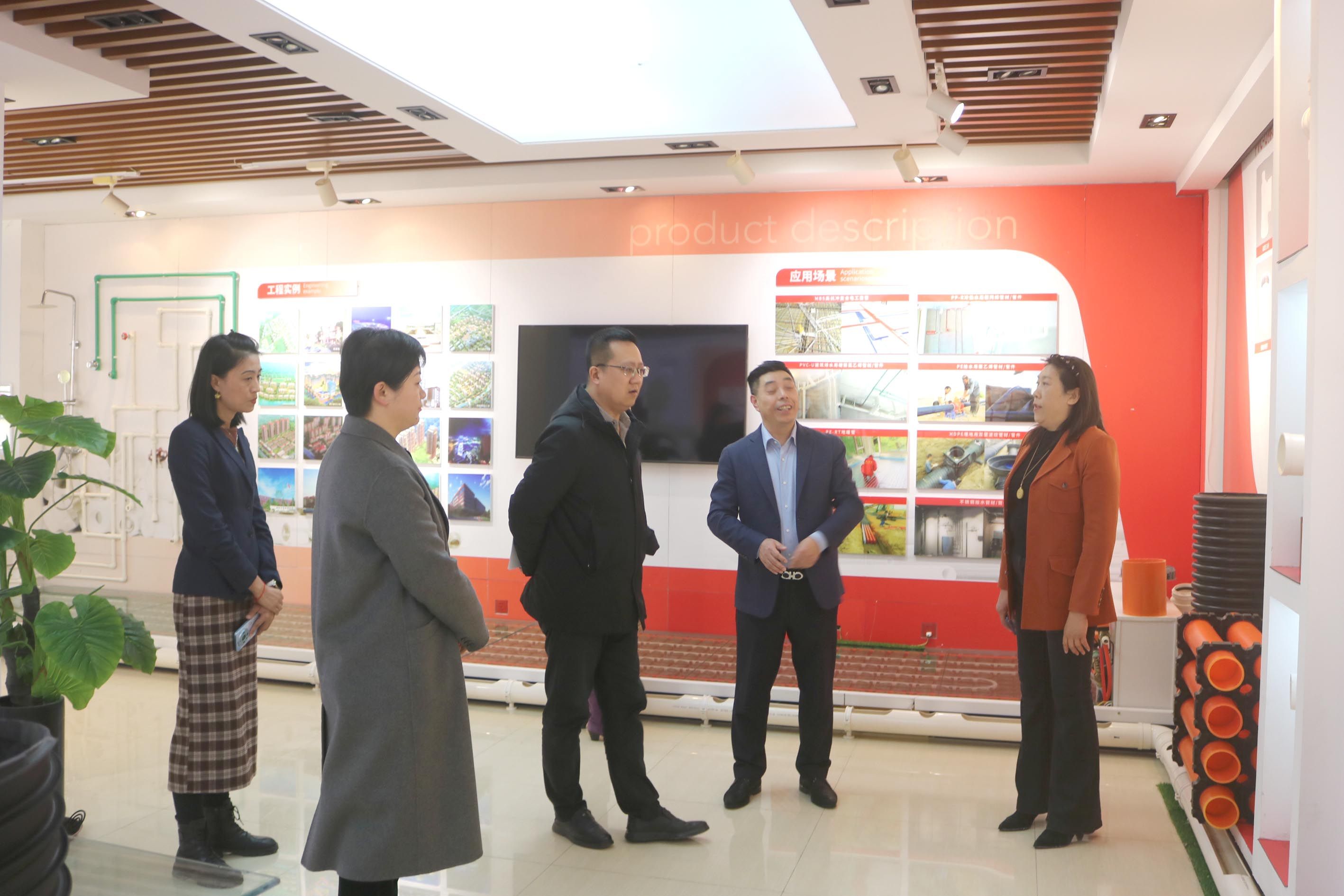
conclusion of the meeting, representatives from the relevant sub-district and the Party secretary delivered summary remarks. The Party secretary highly commended Qingdao Laoshan Management Industry for its years of dedicated efforts and responsible conduct in the building materials sector, praising the valuable experience in grassroots Party building within the sub-district. He stated that the Municipal Construction Management Center would carefully review the opinions and suggestions collected during the meeting, earnestly optimize regulatory services, and refine policy measures to create a more favorable business environment for enterprises.
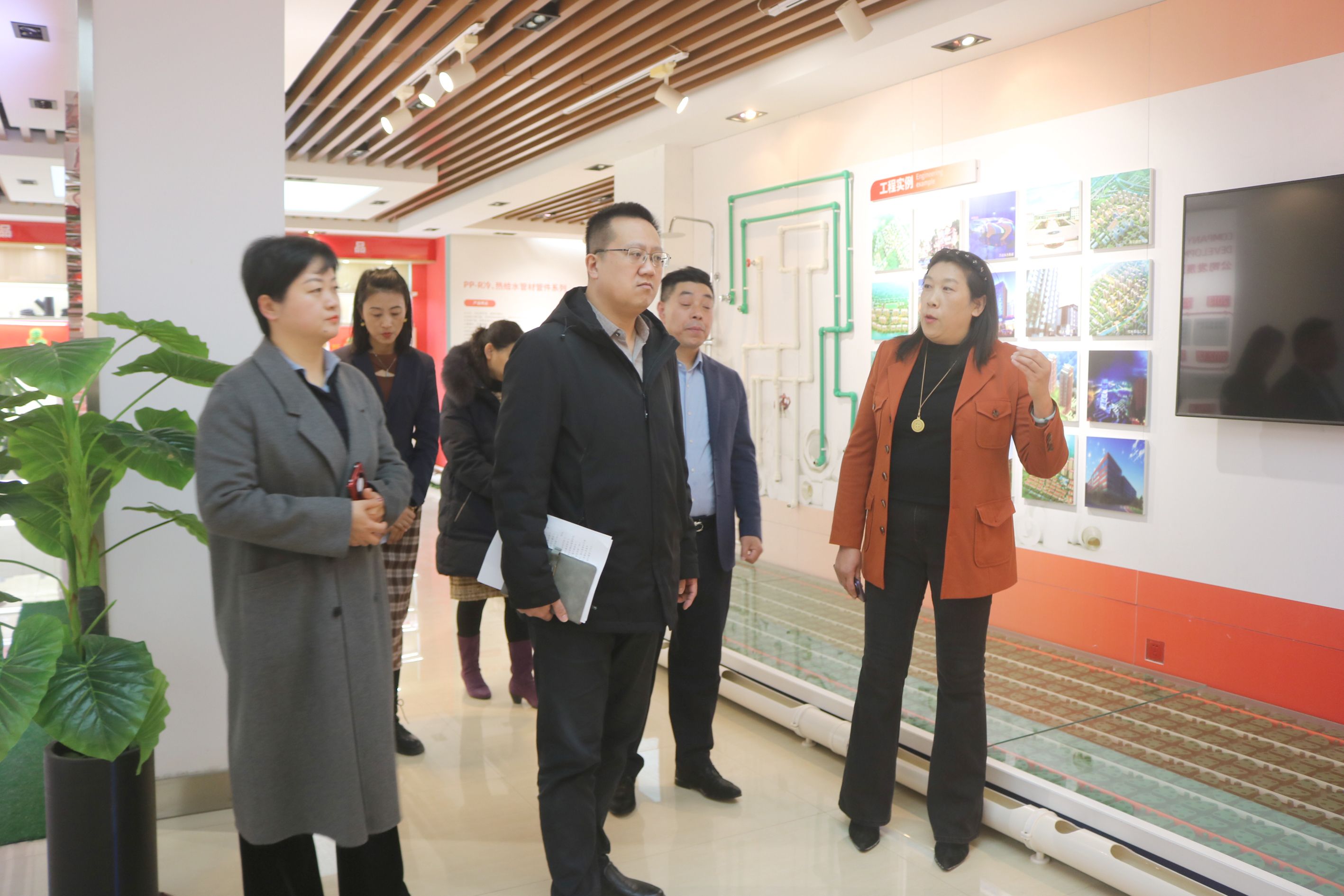
Additionally, he emphasized that the roundtable meeting would serve as an opportunity to further advance the development of the "Pioneer Housing Construction・Party Branch Roundtable" platform, regularly facilitate government-enterprise exchanges, consolidate the synergy of Party building, overcome developmental bottlenecks, and jointly propel Qingdao's building materials industry toward steady progress in the directions of green, intelligent, and high-quality development.
As the year draws to a close, we set our sights on new beginnings. Today, Qingdao Laoshan Tube Industry Technology Co., Ltd. held a grand year-end summary meeting for 2025 in the company's third-floor conference room. All employees gathered together to review the year's achievements and discuss the development blueprint for 2026. Department heads delivered speeches in turn, followed by remarks from employee representatives, management team leaders, and General Manager Gu. The entire meeting was marked by a warm, practical, and efficient atmosphere, fostering a strong consensus of "gratitude, progress, breakthroughs, and innovation.". Departmental Performance Reports: Addressing Shortcomings in Our Roles, Focusing on Goals for Development The sales department stated in its remarks that it will focus on the core of "service" and clarify the work direction for 2026: "The sales team will always prioritize customer service, adhering to the pragmatic spirit of 'doing more with more effort.' We will actively engage with market demands, enhance customer satisfaction through meticulous and thoughtful service, and secure more collaboration opportunities with integrity and professionalism." The straightforward words reflect the sales team's determination to conquer the market. As the years roll on, looking back at the entire year, the customer service center has consistently upheld its original commitment of "thinking as the customer thinks and acting as the customer acts." With perseverance that "fears not the long and arduous journey" and a sense of responsibility that prioritizes "doing," it has delivered impressive results. We jointly reviewed the financial department's performance throughout the year. Throughout this year, we steadfastly adhered to the service philosophy of "centering on business, addressing its needs, and prioritizing its urgency." With unwavering patience and meticulous effort—"fearless of complexity and triviality"—we delivered a rigorous, standardized, and robust financial report through pragmatic action and precise execution. The speech by the warehousing and logistics department focused on "standardization" and "quality improvement with efficiency enhancement." It mentioned that by 2025, warehouses had achieved certain results in "accounting consistency" and standardized picking and shipping, but issues such as insufficient work motivation and lack of innovation still persisted.
Question 1: In which aspects does Qingdao Laoshan Pipe Industry Technology Co., Ltd.'s core competitiveness manifest? The core competitiveness primarily encompasses three aspects: First, technological and craftsmanship advantages—having dedicated over three decades to the industry, integrating traditional manufacturing wisdom with modern technology to achieve an upgrade from semi-automation to intelligent production, while standing as a "specialized, refined, distinctive, and innovative" enterprise with profound technological expertise. Second, product advantages—products span multiple pipeline series, featuring green environmental protection, safety, non-toxicity, and durability, with some products lasting up to 70 years, meeting diverse needs. Third, brand and reputation advantages—having won honors such as "Qingdao Premium Product" and "Famous Trademark of Shandong Province," the company has established itself as a renowned industry hallmark through superior quality and exceptional service. Question 2: What significant recognition did Qingdao Laoshan Pipe Industry receive in 2024? What other core honors does the company hold? In 2024, the company was included in the second batch of "Qingdao Premium Products" with its "Laoshan Water Supply and Drainage Pipe Materials." In addition, the enterprise was honored as a "Specialized, Refined, Distinctive, and Innovative Enterprise" and a "Demonstrative Specialized, Refined, Distinctive, and Innovative Enterprise in Qingdao," as well as awarded core honors such as "Famous Trademark in Qingdao," "Famous Trademark in Shandong Province," and "China Famous Brand.". Question 3: What are the future development priorities and goals of Qingdao Laoshan Pipe Industry Technology Co., Ltd? Key Development Priorities: 1. Increase R&D investment, deepen industry-university-research collaboration, focus on cutting-edge fields such as new materials, intelligence, and green environmental protection, and drive pipeline technology iteration. 2. Strengthen full-process quality management, implementing refined control over raw materials, production, and installation services. Development Goals: To provide global clients with superior, intelligent, and environmentally friendly pipeline solutions。
Winter Construction Precautions for JRPP Low Temperature Impact: JRPP (jointless reinforced plastic pipe) materials may become brittle at low temperatures, increasing the risk of cracking during transportation, handling, and installation. Pre-construction Inspection: Check pipes and fittings for any signs of damage, such as cracks, dents, or deformation caused by cold weather. Thawing Requirements: If materials are frozen or covered with ice, allow them to thaw naturally in a protected environment before use. Installation Temperature: Avoid installing JRPP when ambient or ground temperatures are too low (follow manufacturer recommendations, typically above 0°C or as specified). Trench Preparation: Ensure trenches are free of frozen soil, ice, or snow. Frozen subgrade should be removed and replaced with suitable backfill material. Backfilling: Use granular, unfrozen backfill material. Avoid using frozen clods or large ice chunks, which can cause uneven settlement and damage to the pipe. Sealing and Connection: Pay special attention to joint sealing. Cold temperatures can affect the performance of adhesives or sealing materials; use products suitable for winter conditions. Protection After Installation: Cover exposed pipes to prevent freezing and damage from construction activities. Product Storage Issues in Winter Storage Environment: Store JRPP in a dry, covered area protected from direct sunlight, rain, snow, and extreme cold. Avoid leaving materials outdoors for extended periods. Temperature Control: If possible, maintain a moderate storage temperature to prevent material embrittlement. Avoid storing near heat sources that could cause thermal stress. Stacking and Handling: Use proper stacking methods to prevent deformation. Avoid dropping or rough handling, as low temperatures increase the risk of cracking. Packaging Protection: Keep original packaging intact to protect against moisture and physical damage. Inventory Management: Rotate stock to ensure older materials are used first, reducing the risk of degradation from long-term winter storage. Risk Mitigation and Recommendations Develop a winter construction plan specific to JRPP, including temperature monitoring and material handling procedures. Train construction personnel on winter installation techniques and the proper use of cold-weather compatible adhesives and sealants. Maintain close communication with suppliers to ensure materials are shipped and stored under appropriate conditions. Conduct regular inspections of stored and installed materials to identify potential issues early. By following these precautions and addressing storage issues, the performance and longevity of JRPP in winter construction projects can be significantly improved.
Company:3999 Yingliu Road, FAW Industrial Park, Jimo District, Qingdao
24-hour free service call: 400-626-7878
Tel:400-626-7878
E-mail: laoshanpipe@163.com


Mobile Version
Copyright © 2020 Qingdao Laoshan Pipe Industry Technology Co., Ltd.